
Deep Sleep's Hidden Power: Scientists Uncover Brain Cycle Crucial for Memory Repair
New research reveals how specific brain cycles during deep sleep repair and consolidate memories. This discovery could pave the way for targeted therapies for insomnia and age-related memory decline.
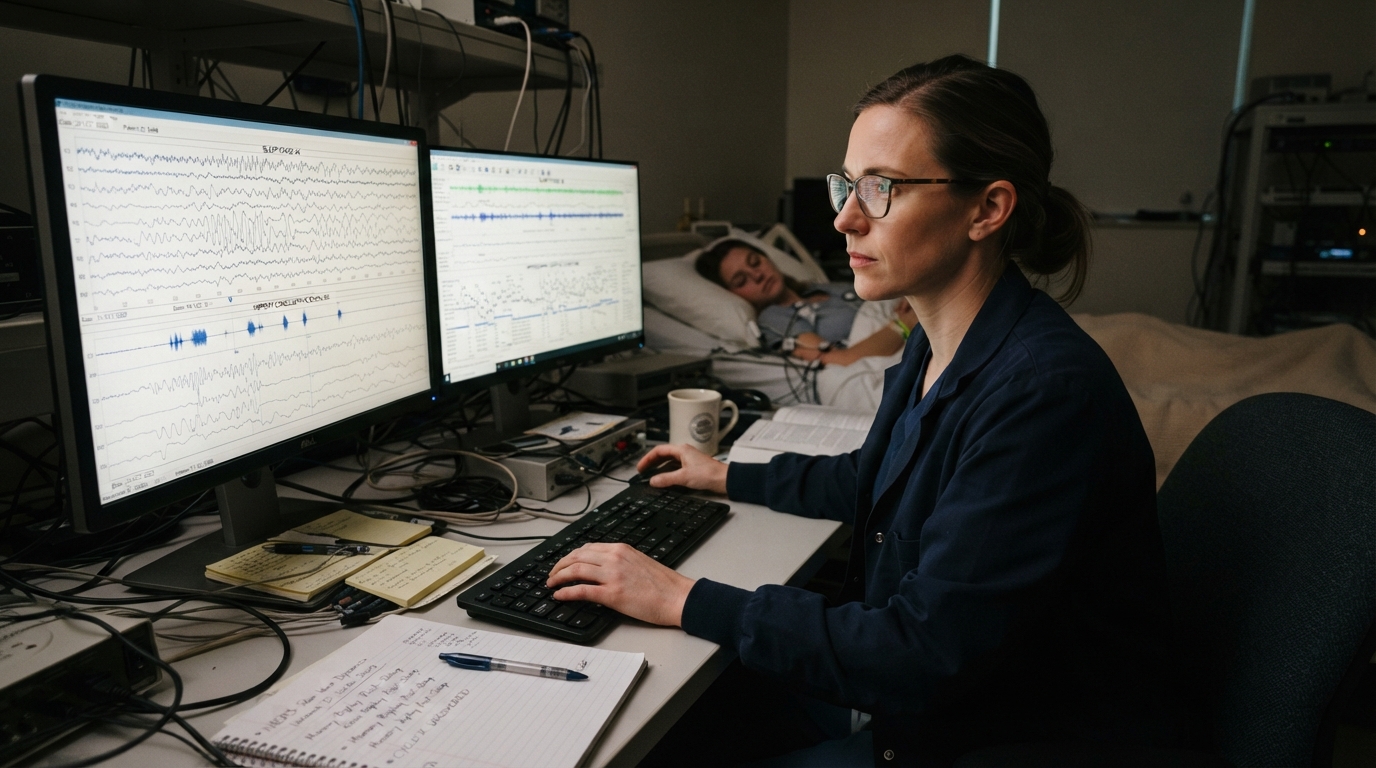
We've long understood that a good night's sleep is vital for overall health, but new research is unraveling the precise mechanisms behind its restorative power. A groundbreaking study published in Nature reveals a specific brain cycle during deep sleep that is directly responsible for repairing and consolidating our memories.
Researchers have pinpointed the critical interplay between two brain activities: slow waves, which synchronize neuronal activity, and sharp-wave ripples, bursts of high-frequency electrical activity in the hippocampus – the brain's memory hub. This intricate dance, occurring primarily during non-REM deep sleep, acts like a nightly defragmentation for our brains, transferring temporary memories from the hippocampus to the neocortex for long-term storage and repair.
Unlocking Sleep's Secret Weapon
This discovery moves beyond merely observing that sleep helps memory; it identifies the precise neural rhythm driving this process. Understanding this specific cycle opens doors to new strategies for enhancing memory function, especially in populations vulnerable to cognitive decline. The research suggests that by manipulating or boosting these slow-wave ripple interactions, we might be able to improve memory recall and even mitigate age-related memory loss.Implications for Health and Longevity
The implications of this finding are profound. If we can target and optimize these specific brain cycles, it could lead to novel therapies for conditions like insomnia, where sleep quality is compromised, and neurodegenerative diseases that impact memory. Imagine personalized interventions that enhance your brain's natural ability to repair itself each night, potentially adding years of cognitive vitality to your life.Key Takeaways
- Scientists identified a specific brain cycle during deep sleep crucial for memory repair.
- This cycle involves the intricate interplay of slow waves and sharp-wave ripples.
- The discovery could lead to targeted therapies for insomnia and age-related memory decline.
- Optimizing these natural brain processes may enhance cognitive vitality for years to come.
The Global Angle
Memory decline and sleep disorders are not isolated issues; they represent a growing global health challenge. With aging populations worldwide, the demand for effective interventions is skyrocketing. This research offers a universal glimmer of hope, providing a foundational understanding that can inform global public health initiatives around sleep hygiene and pave the way for treatments accessible across diverse populations.While further research is ongoing, this breakthrough underscores the immense value of prioritizing deep, restorative sleep for cognitive health at every stage of life.
Source: Nature