
Digital Traces: How Mobile Data Unmasked Ebola's Silent Start
New research uses mobile phone data to map the early, undetected spread of Ebola in the DRC, offering critical insights for global disease surveillance and…
The Democratic Republic of Congo (DRC) has faced numerous public health challenges, but few are as terrifying as an Ebola outbreak. The current Bundibugyo strain epidemic stands as the largest of its kind, claiming thousands of lives amidst a landscape devoid of specific vaccines or approved treatments. While the official declaration arrived on May 15th, new research leveraging anonymized mobile-phone data paints a stark picture: the virus was silently circulating weeks, possibly months, before its detection, revealing critical gaps in early surveillance.
The Unseen Spread
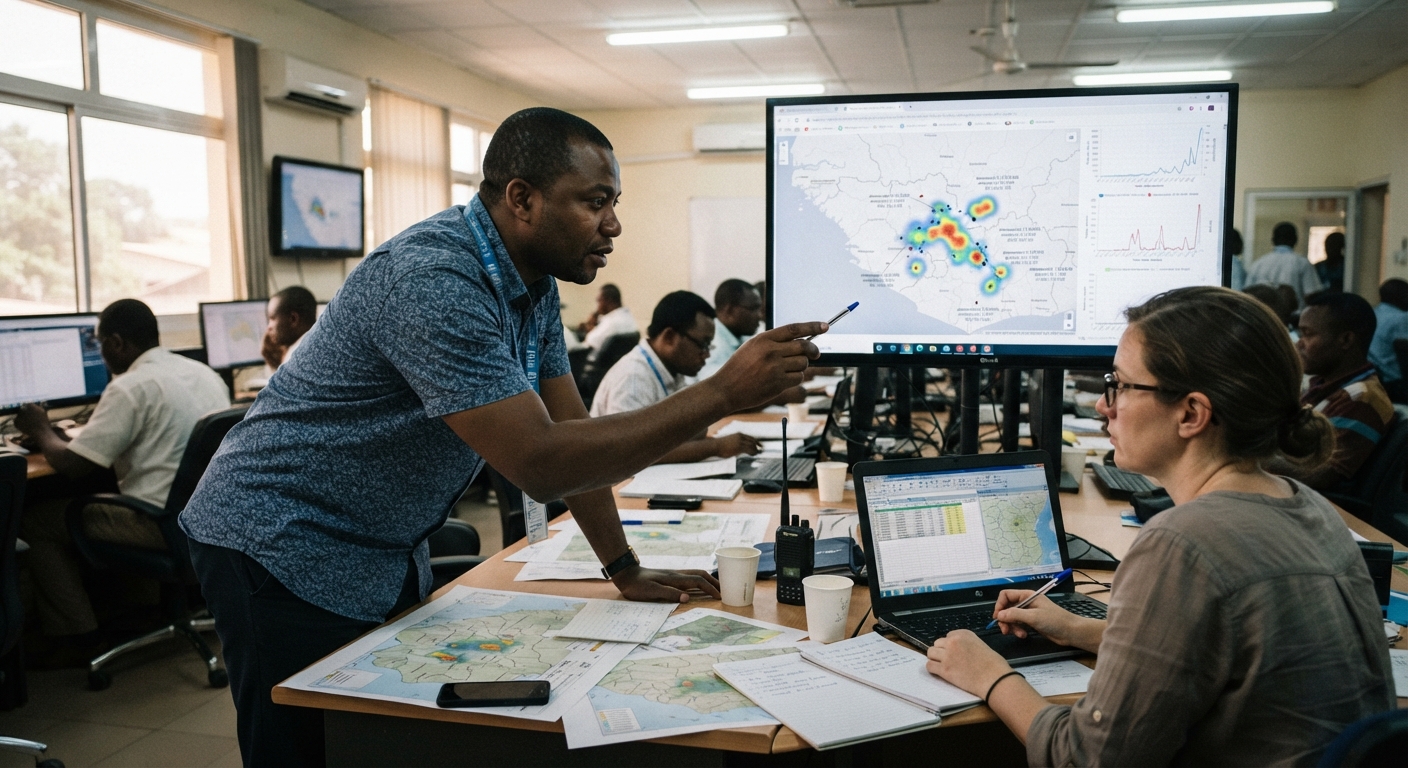
Epidemiologists, in a groundbreaking study published in Nature, meticulously pieced together the initial weeks of the Ebola outbreak in the DRC. By analyzing mobile phone movement patterns alongside clinical test records, they reconstructed the virus’s clandestine journey. The findings are sobering: the first confirmed case, identified on May 15th, showed symptoms as early as April 25th – a critical three-week window during which the virus could spread undetected.
The study highlighted a troubling reality: traditional surveillance systems failed to pick up the early signals. This delay allowed the Bundibugyo strain, for which over 10,000 infections and 5,198 deaths have been reported, to establish a firm foothold before public health interventions could be fully mobilized. The World Health Organization (WHO) recognized the gravity of the situation, declaring a public health emergency of international concern on May 17th, noting the spread among healthcare workers and clusters of undocumented deaths.
Mobility Fuels Transmission
What makes this research particularly illuminating is its use of mobile phone data to trace human movement. Researchers found that travel patterns from specific locales like Mongbwalu, Bunia, and Rwampara between April 24th and May 24th were strong predictors of where new infections would emerge by June 1st. Areas immediately surrounding these initial hotspots were, understandably, at heightened risk. More surprisingly, the study also observed a significant increase in risk for locations 150–200 kilometers away, suggesting that people traveling along established routes to larger urban centers acted as conduits for the virus, unknowingly ferrying it to new populations.
This granular insight into human mobility underscores a fundamental challenge in disease containment: in our interconnected world, a localized outbreak can rapidly become a regional, or even global, threat.
The Global Angle
For "VitalityPulse" readers worldwide, this research offers invaluable lessons beyond the specific context of the DRC. It's a powerful demonstration of how innovative data-driven approaches can revolutionize disease surveillance. In a world where novel pathogens can emerge anywhere and spread quickly, understanding human mobility through anonymized digital footprints could become a cornerstone of rapid response. This study underscores the urgent need for robust, proactive public health infrastructure globally, emphasizing early detection and agile responses to prevent localized outbreaks from escalating into international crises. It highlights that global health security isn't just about vaccines and treatments; it's also about sophisticated monitoring, data interpretation, and swift action. The health and fitness of the global population depend on our collective ability to learn from such insights and prepare for future health challenges.
Key Takeaways
- Early Detection is Paramount: Delays in identifying initial cases can allow viruses to spread widely before intervention.
- Mobile Data as a Tool: Anonymized phone data offers a powerful, real-time method to track human movement and predict disease spread.
- Human Mobility is a Factor: Travel, especially to urban hubs, can rapidly disseminate infectious diseases over significant distances.
- Proactive Surveillance: Investing in advanced surveillance technologies and systems is crucial for global health security.
- No Room for Complacency: Even without specific treatments, early detection and rapid response remain our strongest defenses.
Source: Nature

RSV Revolution: New Data Shows Vaccines Dramatically Slash Infections
New data reveals the powerful success of RSV vaccines and monoclonal antibodies in reducing severe illness and hospitalizations, particularly in infants and…

Charting the Brain's Control Center: New Atlas Illuminates Health Mysteries
Scientists unveil the most detailed atlas of the brain's basal ganglia, offering critical insights into neurological disorders, mental health, and healthy…

Beyond the Algorithm: AI Uncovers the Soul of Longevity
VitalityPulse uncovers how advanced AI synthesis points to a holistic, intrinsic drive for thriving as the true secret to long-term health and well-being.

Global Health Innovation: A Hidden Threat in Shifting Academic Sands
A significant drop in international science and engineering students in the US raises concerns for future health and longevity breakthroughs worldwide.…

Closer to Home, Closer to Health: Asia's Rising Appeal for Global Scholars
A growing trend sees students choosing Asia for higher studies, citing benefits like cultural familiarity, robust support, and thriving research environments…

The Daily Nibble: How a Common Snack Could Fortify Aging Brains
A new study suggests that incorporating certain popular snacks into your daily diet may help support cognitive function in older adults. Learn more from…

Ocean's Silent Masters: Kelp's Astonishing Reproductive Adaptability
Discover how kelp adapts its reproduction strategies, from asexual survival to sexual pairing, revealing nature's profound genetic flexibility and resilience.