

A Clearer Horizon: Emerging Research Eyes Simple Aid for Cancer-Related Cognitive Impairment
Emerging research suggests a simple supplement may help alleviate cancer-related cognitive impairment. Learn about its potential and what it means for…
For countless individuals, surviving cancer marks a triumph, yet the journey often leaves behind a hidden challenge: cancer-related cognitive impairment (CRCI), commonly known as "chemo brain." This persistent brain fog—characterized by difficulties with memory, focus, and mental processing—can significantly impact a survivor's quality of life long after treatment concludes. The search for effective, accessible solutions is ongoing, and recent preliminary findings offer a glimmer of hope.
Unraveling the Impact of Cancer-Related Brain Fog
CRCI is not merely a subjective feeling; it's a recognized and often debilitating condition affecting a substantial portion of cancer survivors. While the exact mechanisms are still being elucidated, factors such as chemotherapy, radiation, hormonal therapies, fatigue, inflammation, and psychological stress are believed to contribute. Symptoms can range from mild forgetfulness to severe difficulties in daily functioning, affecting careers, relationships, and overall well-being. Historically, interventions have been limited, focusing primarily on cognitive rehabilitation strategies.
A Simple Supplement's Promising Potential
New research, though still in its nascent stages, suggests that a readily accessible supplement may offer a novel approach to mitigating CRCI. While details about the specific compound are still emerging, the underlying premise is exciting: a non-pharmaceutical intervention with the potential to address some of the cognitive deficits experienced by survivors. This line of inquiry is particularly significant because it points towards a potentially simple and less invasive option, contrasting with more complex medical interventions. Researchers are exploring how such supplements could influence neural pathways, reduce inflammation, or support mitochondrial function, all of which are implicated in cognitive health.
- Key Takeaways:
- Cancer-related cognitive impairment (CRCI) is a common, challenging side effect for survivors.
Emerging research suggests a simple supplement may* help alleviate "chemo brain."
- This represents a promising, potentially accessible avenue for improving post-cancer quality of life.
- Further rigorous scientific study is essential to confirm efficacy and safety.
- Always consult a healthcare professional before considering any new supplement, especially if you have a medical history.
The Global Angle
Cancer is a global health challenge, with millions diagnosed annually across diverse populations. As cancer detection and treatment improve worldwide, the number of survivors living with long-term side effects like CRCI is steadily increasing. The development of a simple, effective, and affordable intervention for brain fog would have profound global implications. It could enhance the reintegration of survivors into their communities and workplaces, reduce the burden on healthcare systems, and significantly improve the overall well-being of a growing global population. Equitable access to such a solution, once proven, would be a critical consideration.
Important Considerations and Next Steps
It is crucial to underscore that this research is preliminary. While encouraging, these findings do not yet constitute a medical recommendation. Any supplement, even a "simple" one, can have interactions with medications or underlying health conditions. Therefore, individuals experiencing CRCI should always discuss their symptoms and any potential interventions with their oncology team or a qualified healthcare provider. Further large-scale, placebo-controlled clinical trials are necessary to fully establish the efficacy, optimal dosing, and long-term safety profile of any such supplement. "VitalityPulse" will continue to monitor this promising area of research, bringing you evidence-informed updates as they become available.
Source: Google News · medical breakthroughs

The Shadow of Distrust: Why We're Losing Faith in Food Science
Explore why trust in nutrition science is eroding and learn how to discern reliable health information. VitalityPulse helps you cut through the confusion for…
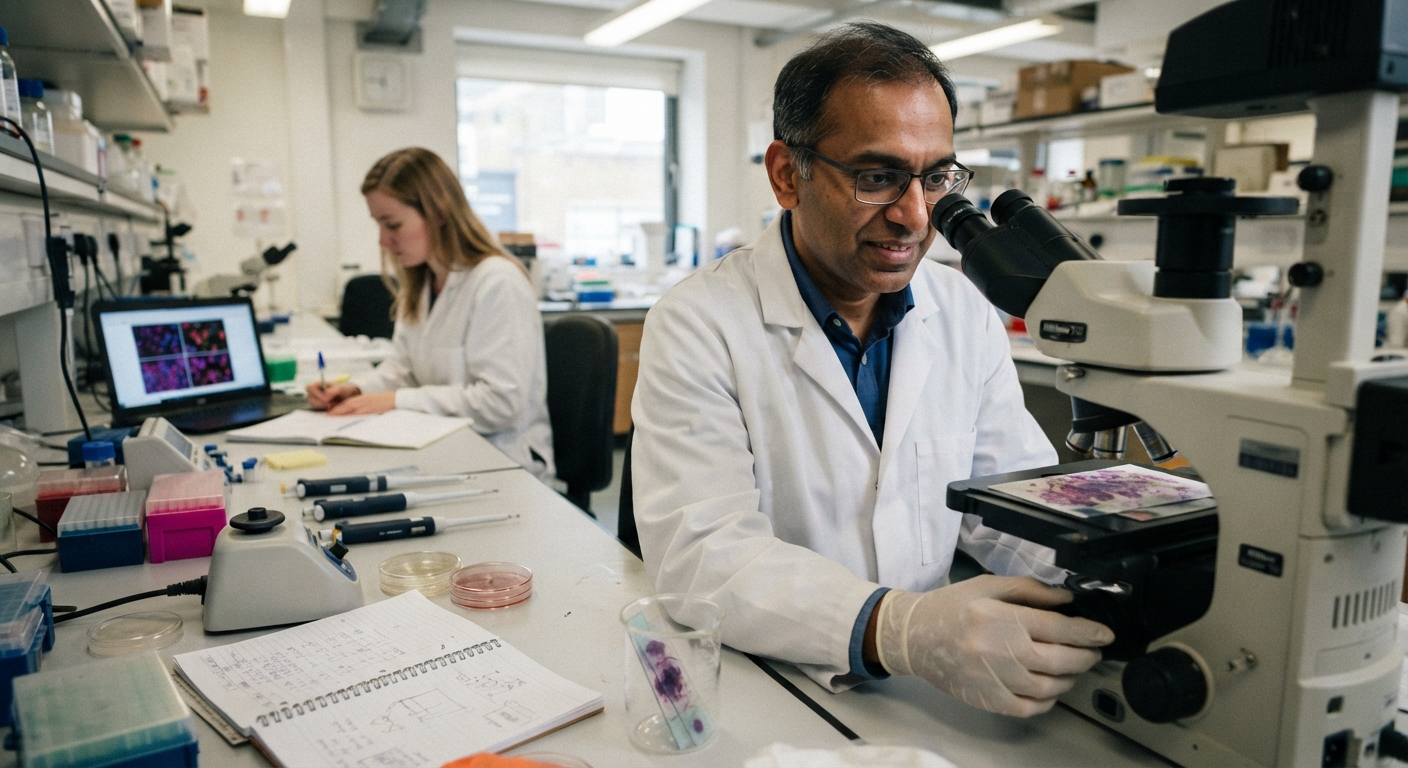
Glimmer of Hope: Novel Therapy Eradicates Deadly Brain Tumors in Preclinical Trials
A new preclinical study shows a novel therapy completely eliminated deadly brain tumors in all treated mice. Explore this promising breakthrough and its future
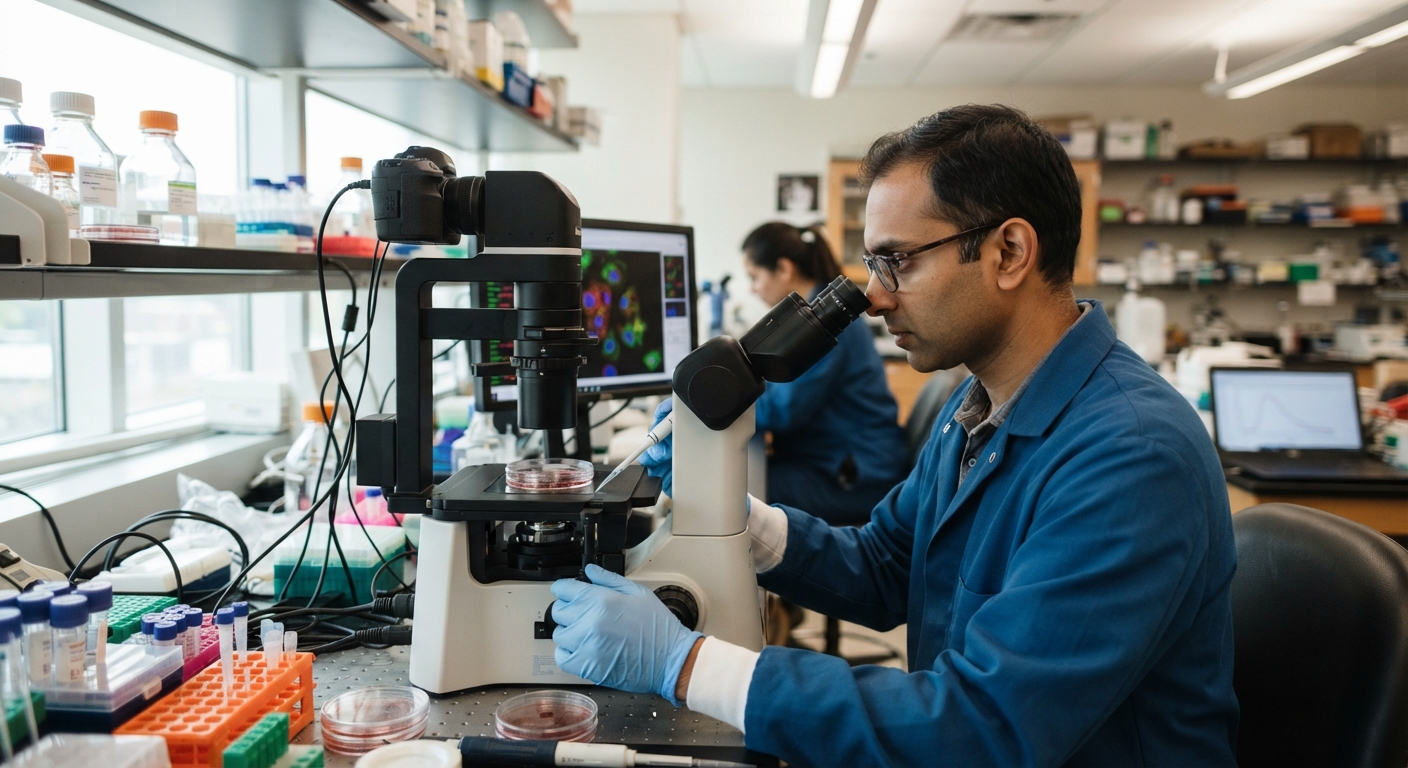
CRISPR's Precision Strike: A Single Treatment for Lifelong Lipid Control?
Explore groundbreaking CRISPR gene editing research targeting ANGPTL3 for durable lipid lowering. A potential single-course treatment for high cholesterol and…
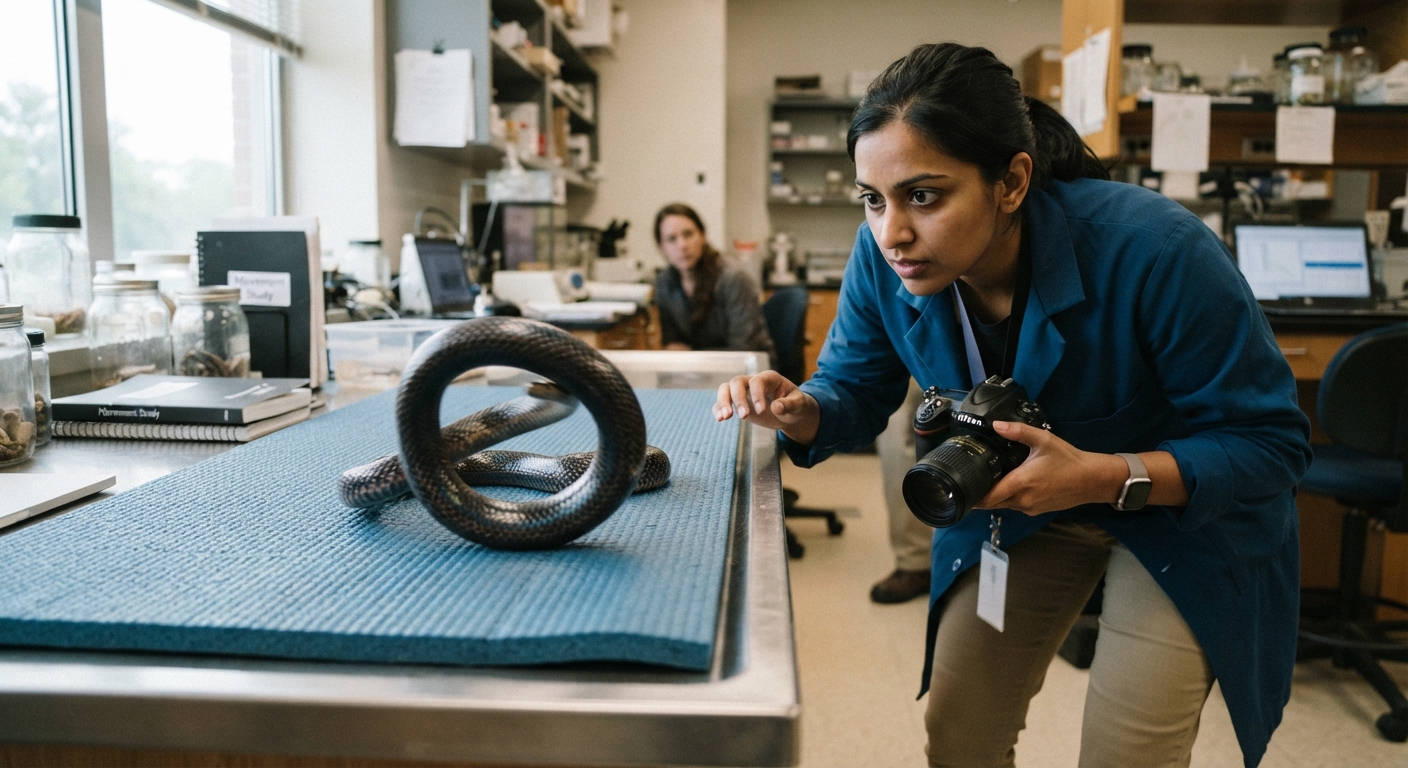
Beyond the Gym: What a Cartwheeling Snake Can Teach Us About Adaptive Movement
Discover how a cartwheeling snake inspires us to rethink fitness. Explore the benefits of diverse, adaptive movement for human health, agility, and longevity.

Revisiting Dairy: New Science Challenges the Low-Fat Mandate
VitalityPulse explores how new research is challenging long-held beliefs about low-fat dairy, suggesting full-fat options may offer unexpected health benefits.

Midlife Momentum: Cultivating 5 Habits for a Longer, Healthier Life
Discover five evidence-backed habits crucial for health and longevity in your 40s and 50s. VitalityPulse offers practical guidance for a vibrant global…

Ebola's Enduring Threat: A Global Call for Preparedness and Progress
A UK doctor's Ebola case highlights global health readiness. Learn about the DR Congo outbreak, new vaccine trials, and why international vigilance is critical…