
The Shadow of Distrust: Why We're Losing Faith in Food Science
Explore why trust in nutrition science is eroding and learn how to discern reliable health information. VitalityPulse helps you cut through the confusion for…
In an era of unprecedented access to information, a curious and concerning phenomenon is taking root: a widespread decline in trust in food and nutrition science. Dubbed 'dark nutrition,' this skepticism leads many to question established dietary guidelines, embrace unproven fads, and ultimately make choices that may not serve their long-term health. At VitalityPulse, we believe in empowering our readers with evidence-informed insights, and understanding this erosion of trust is the first step toward reclaiming informed decision-making.
The Erosion of Trust: Why It's Happening
The path to this widespread doubt is paved with several factors. For one, nutrition science itself is complex and ever-evolving. Researchers continually refine their understanding, leading to headlines that might seem contradictory over time—think the shifting stances on eggs or dietary fat. This perceived inconsistency can foster cynicism. Compounding this, social media platforms have become fertile ground for unqualified voices to share anecdotal evidence or promote commercial interests disguised as health advice. Sensationalized media reporting, eager for clicks, often oversimplifies or exaggerates preliminary findings, further muddying the waters and making it difficult for the average person to discern scientific consensus from individual studies or marketing ploys.The Dangers of Disinformation
The consequences of this widespread distrust are far-reaching. Individuals may abandon balanced, evidence-based eating patterns in favor of restrictive diets based on pseudoscience, potentially leading to nutrient deficiencies, unhealthy weight fluctuations, or even disordered eating. The anxiety surrounding food choices can escalate, impacting mental well-being. Furthermore, the market for unproven supplements and 'superfoods' thrives on this confusion, often draining consumers' wallets without delivering promised health benefits. From a public health perspective, the erosion of trust undermines efforts to combat diet-related chronic diseases like type 2 diabetes and cardiovascular disease, which are increasingly prevalent globally.Rebuilding Confidence: Finding Reliable Guidance
Combating 'dark nutrition' requires a proactive approach from both individuals and institutions. For our readers, the key lies in critical evaluation. Always question the source of nutrition information. Prioritize content from peer-reviewed scientific journals, reputable health organizations (like the World Health Organization or national dietary guideline bodies), and credentialed health professionals such as registered dietitians (RDs) or medical doctors specializing in nutrition. Be wary of quick fixes, extreme claims, or advice that demonizes entire food groups. Remember that personalized nutrition advice is best sought from a qualified healthcare provider who can consider your unique health history and needs.The Global Angle
The phenomenon of 'dark nutrition' is not confined to any single region; it's a truly global challenge. In our interconnected world, misinformation spreads rapidly across borders via social media and online platforms, impacting diverse populations. While traditional food cultures often hold deeply rooted wisdom about healthy eating, these can be challenged by globally trending diets that may not be culturally appropriate or nutritionally sound for all. For a global audience, access to reliable, culturally sensitive nutrition education is crucial. As lifestyle-related diseases continue their upward trajectory worldwide, empowering individuals everywhere with the tools to critically evaluate nutritional claims and seek out credible sources becomes paramount to improving public health on a grand scale.Key Takeaways:
- Nutrition science is complex and evolving: Don't be swayed by sensational headlines from single studies.
- Critically evaluate sources: Prioritize information from accredited professionals, scientific journals, and reputable health organizations.
- Be wary of 'quick fixes': Sustainable health comes from balanced, consistent habits, not extreme diets or unproven supplements.
- Seek personalized advice: A registered dietitian or doctor can provide tailored guidance based on your individual health profile.
- Your trust matters: Informed decisions are vital for your health and for global public health efforts.
Source: Google News · nutrition & diet

A Clearer Horizon: Emerging Research Eyes Simple Aid for Cancer-Related Cognitive Impairment
Emerging research suggests a simple supplement may help alleviate cancer-related cognitive impairment. Learn about its potential and what it means for…
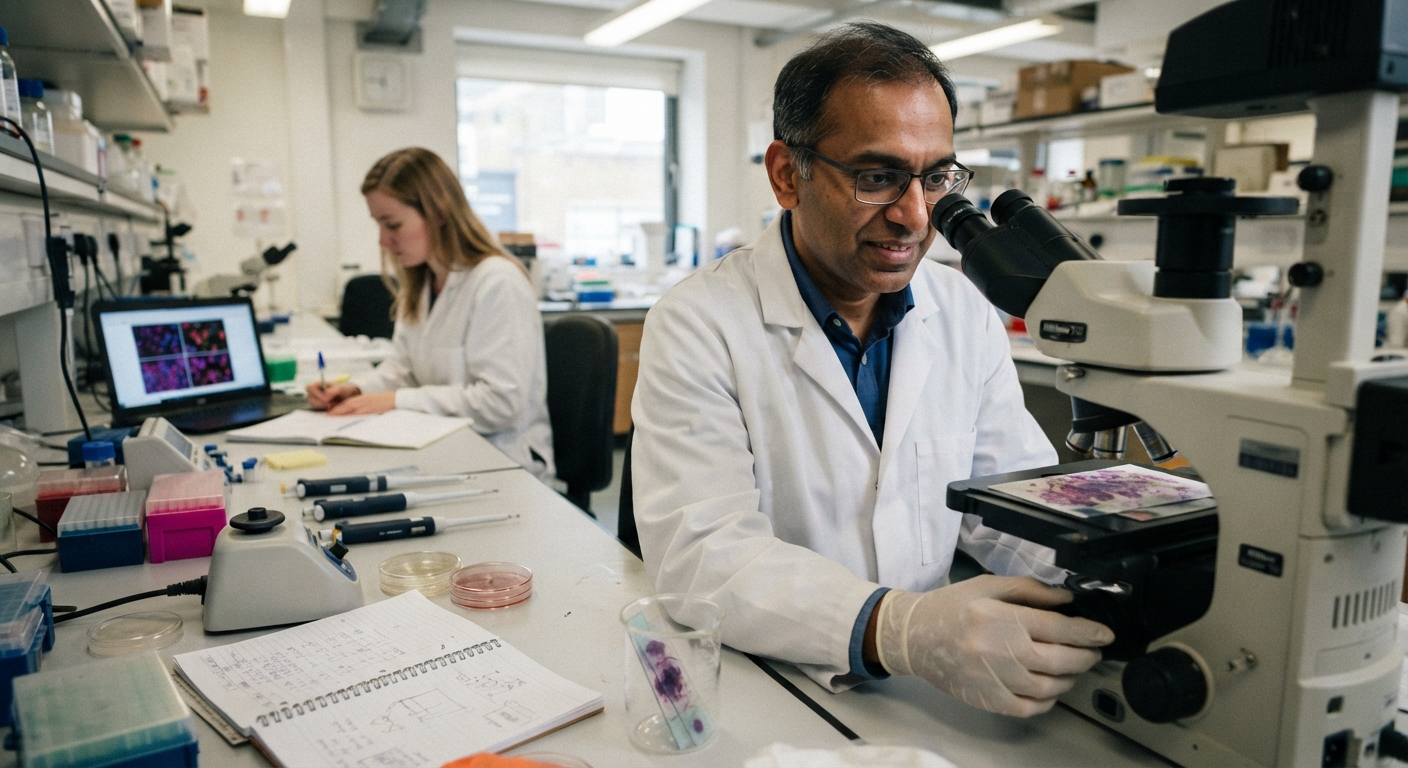
Glimmer of Hope: Novel Therapy Eradicates Deadly Brain Tumors in Preclinical Trials
A new preclinical study shows a novel therapy completely eliminated deadly brain tumors in all treated mice. Explore this promising breakthrough and its future
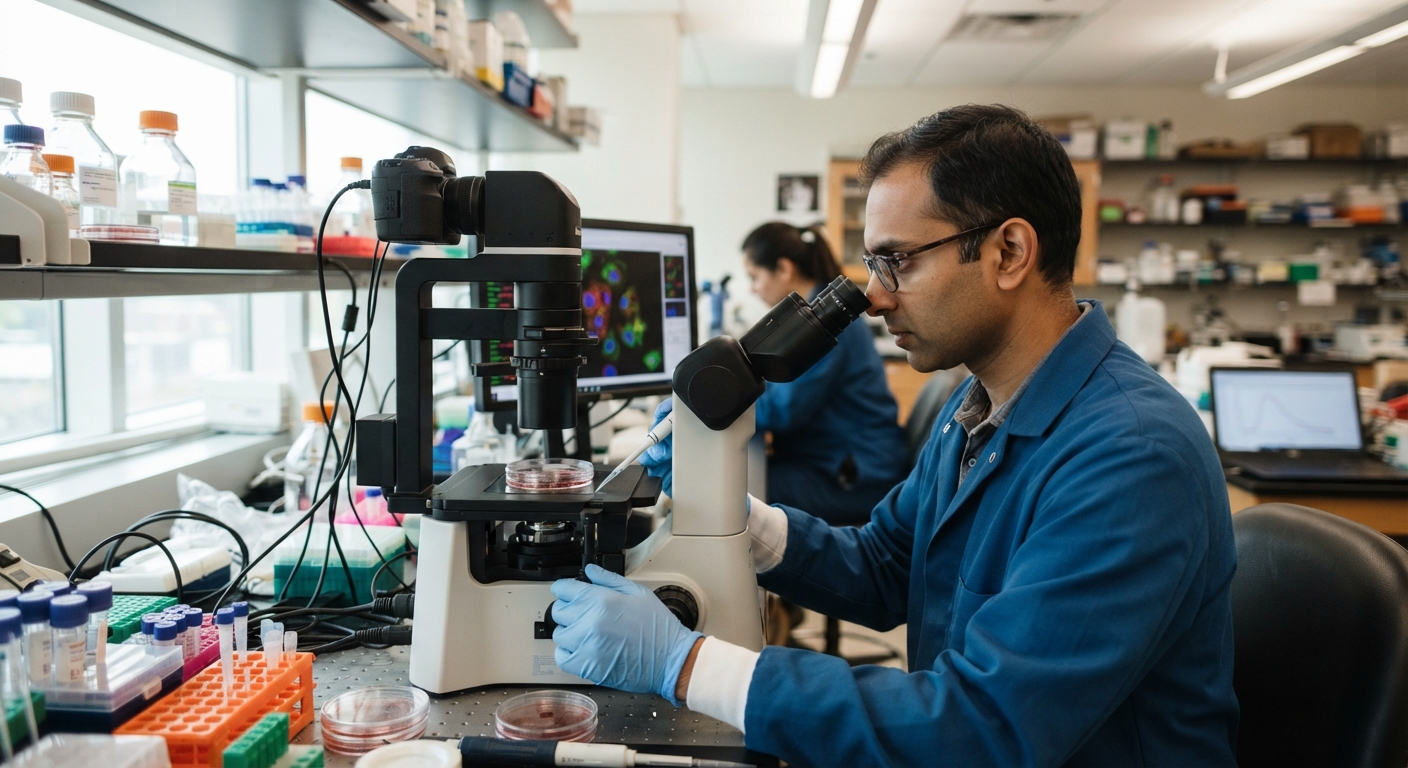
CRISPR's Precision Strike: A Single Treatment for Lifelong Lipid Control?
Explore groundbreaking CRISPR gene editing research targeting ANGPTL3 for durable lipid lowering. A potential single-course treatment for high cholesterol and…
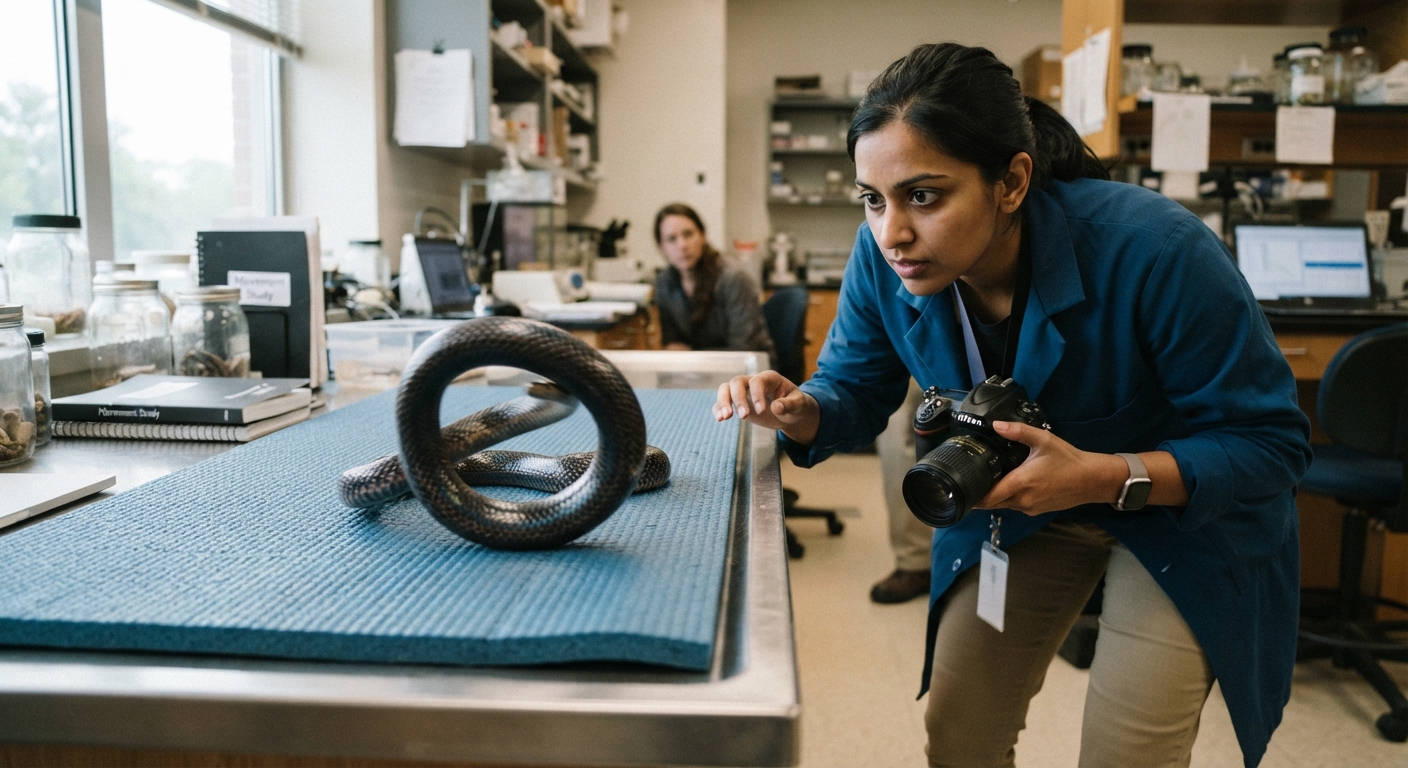
Beyond the Gym: What a Cartwheeling Snake Can Teach Us About Adaptive Movement
Discover how a cartwheeling snake inspires us to rethink fitness. Explore the benefits of diverse, adaptive movement for human health, agility, and longevity.
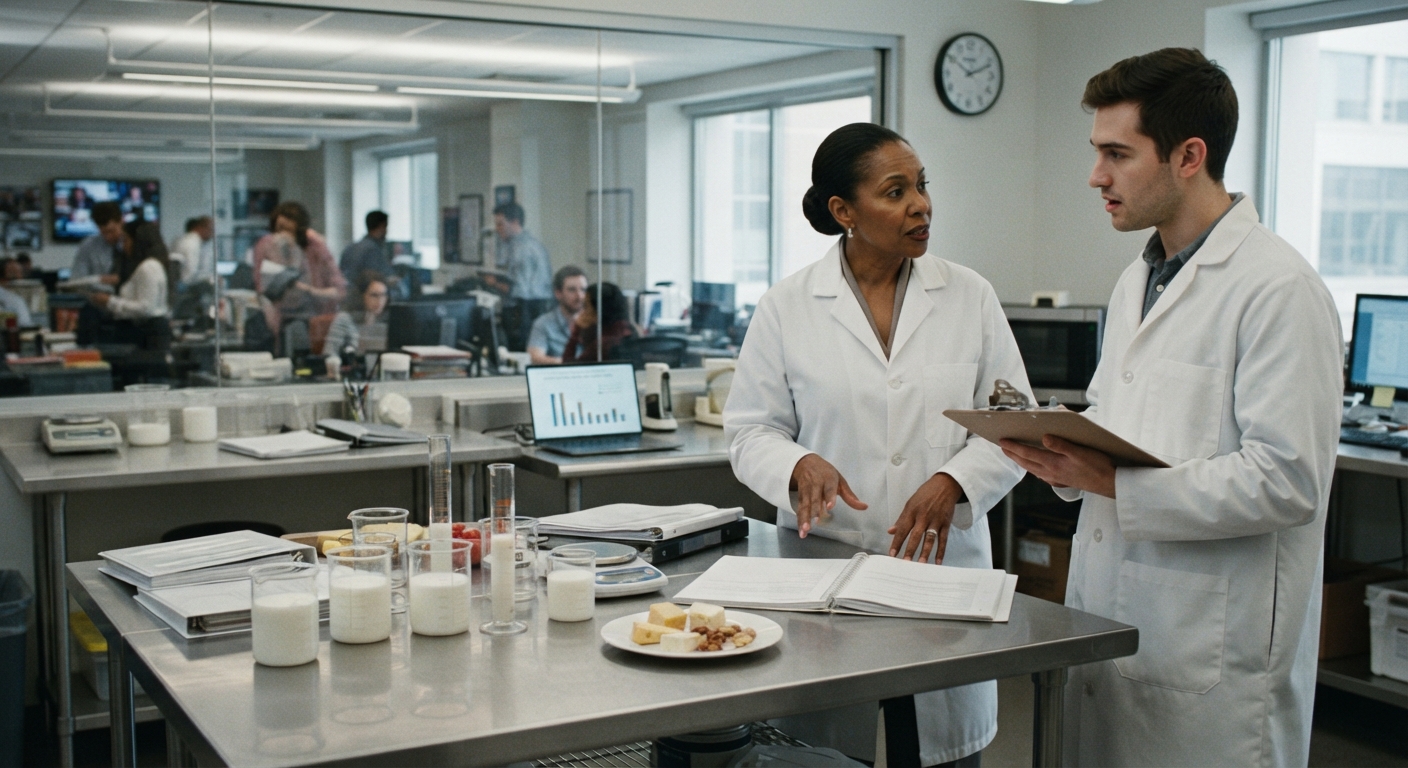
Revisiting Dairy: New Science Challenges the Low-Fat Mandate
VitalityPulse explores how new research is challenging long-held beliefs about low-fat dairy, suggesting full-fat options may offer unexpected health benefits.

Midlife Momentum: Cultivating 5 Habits for a Longer, Healthier Life
Discover five evidence-backed habits crucial for health and longevity in your 40s and 50s. VitalityPulse offers practical guidance for a vibrant global…

Ebola's Enduring Threat: A Global Call for Preparedness and Progress
A UK doctor's Ebola case highlights global health readiness. Learn about the DR Congo outbreak, new vaccine trials, and why international vigilance is critical…